From Company Store to Community Stage: A Saxapahaw Saturday Story
Saxapahaw Saturdays once meant cashing paychecks at the Company Store and riding the bus to Burlington. Now visitors arrive from across the Triangle to walk the Haw, shop local markets, and hear music on mill lawns—still rooted in connection, commerce, and simple pleasures.
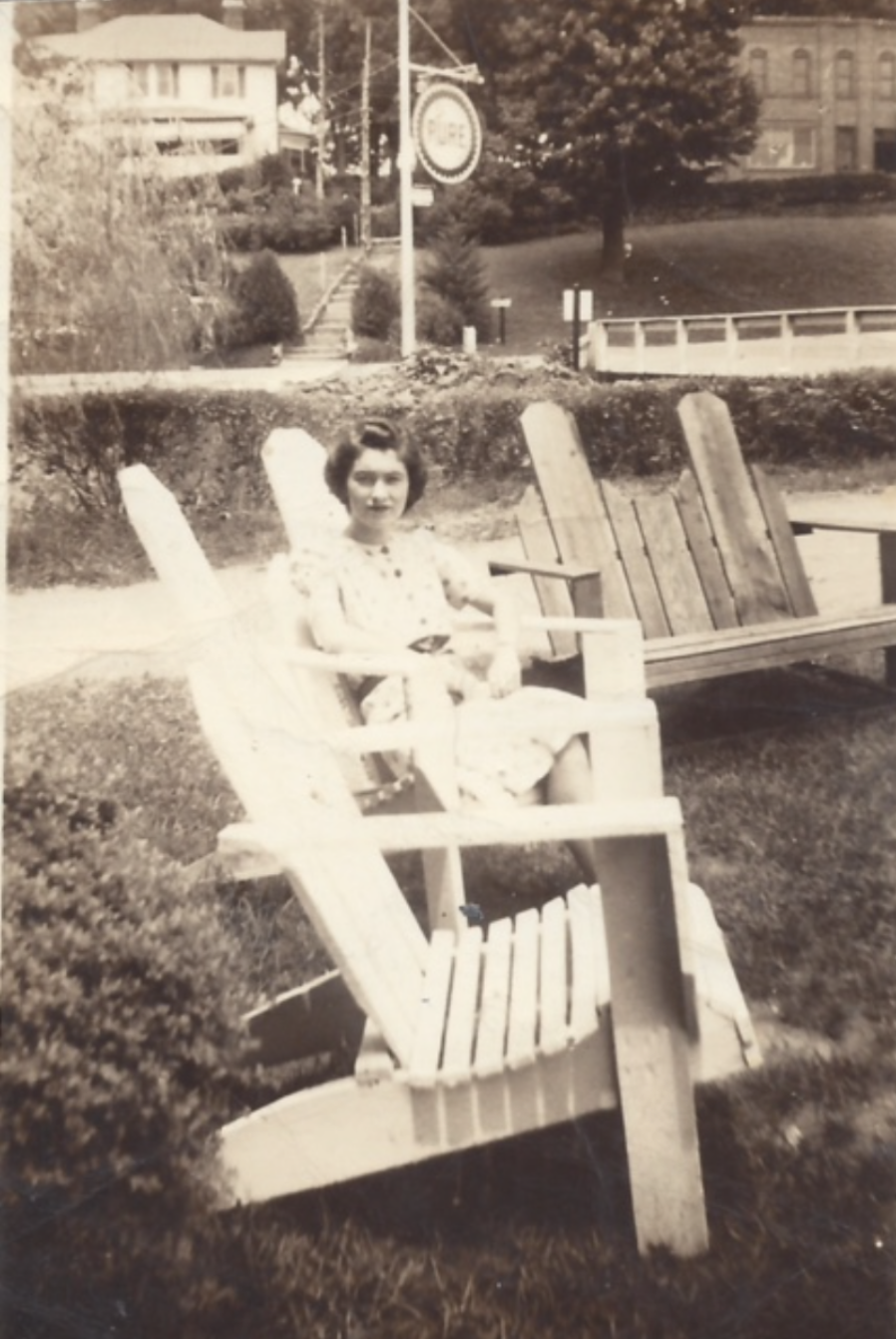
I was talking with my neighbors Wally and Carol about Saturdays in Saxapahaw when they were young. Wally‘s family dates back to the mid 1700’s, while Carol’s family are relative newcomers having moved here in the 1930’s to work in the cotton mill. Wally and Carol told me lots of stories about Saturdays in Saxapahaw when they were growing up.
The village was pretty well contained with everything you needed for daily living. The Company Store was next to the post office. That’s where you could get shoes, work clothes and yard goods. Basic tools and cooking kerosene were in the hardware section of the store. You could even buy foodstuffs, like in-season vegetables, canned goods as well as bread, eggs and milk. And, there were other stores in the village - barber shops, beauty salons and even a millinery shop on Friendly Road (now called Whitney Road).
There were also a number of small restaurants like Thompson’s Groceries, better known as Nellie’s on Rolling Road (today’s Moore’s Chapel Cemetery Road). Wally told me that old timers still wax lyrical about Nellie’s hamburgers, hotdogs and shakes. Another restaurant with its associated Pure Service Station was located where Paperhand puppets reside today.
In those days, Saturdays in Saxapahaw often meant leaving the village to go to the big city (Burlington). This was particularly true on those Saturdays when you hadn’t made it to the Company Store on Friday evening to cash your paycheck. Because cars were at a premium, and roads were often not paved, carpooling was one way to get there. There was also a bus. Yes, you read that right – a privately owned bus that traveled between Saxapahaw and Burlington on Saturdays. Saxapahonians spent Saturdays in town, buying weekly staples, clothes shopping, and meeting friends. Those who could afford it went to the movies.
How does that compare with Saturdays in Saxapahaw today? Renovation of the upper and lower mills has brought with it and expanded the population. Many of the amenities from yesteryear are back. There are stores and markets where one can purchase meat and vegetables. There are also opportunities to buy crafts produced in the area. The Sharing Basket is overflowing with clothing and household items that have outlived their use in one home only to find a safe haven somewhere else. All of this is anchored in the local post office which remains. Sadly the millinery shop no longer exists.
Today, the Saturday exodus to “the big city” has been reversed. Now, people, (lots of people) from Carrboro, Chapel Hill and Durham flock to Saxapahaw on Saturdays. They hike in. They bike in. There’s even a bus to bring them from Carrboro. They come to enjoy walking paths along the Haw River with vistas that include our very own majestic blue heron family, bald eagles and the water burbling over jagged rocks in the river bed. They come to sit on the General Store patio or on the deck of the Eddy Pub or to enjoy a pint at Haw River Ales. They shop at the Left Bank Butchery for home made sausages and pate’s. They visit the Saturday market, where they buy fresh produce and warm bread from the Saxapahaw Bake House. They even lend a hand at the Paperhand Puppet Intervention.
These are things that we, who live here, enjoy every day and gladly share with our friends from the big cities. We together with them picnic on the lawn, below the mill cottages. We are entertained by music of all types. We, together with them, watch our children cavorting on the green; watch them enjoy the slippery slide and getting their faces painted.
It’s in human nature to find alternatives to daily routines. In yesteryear Saxapahonians traveled to Burlington. Today people come to us. We share with them the serene natural beauty of the Haw River and the creative energy that abounds here.